
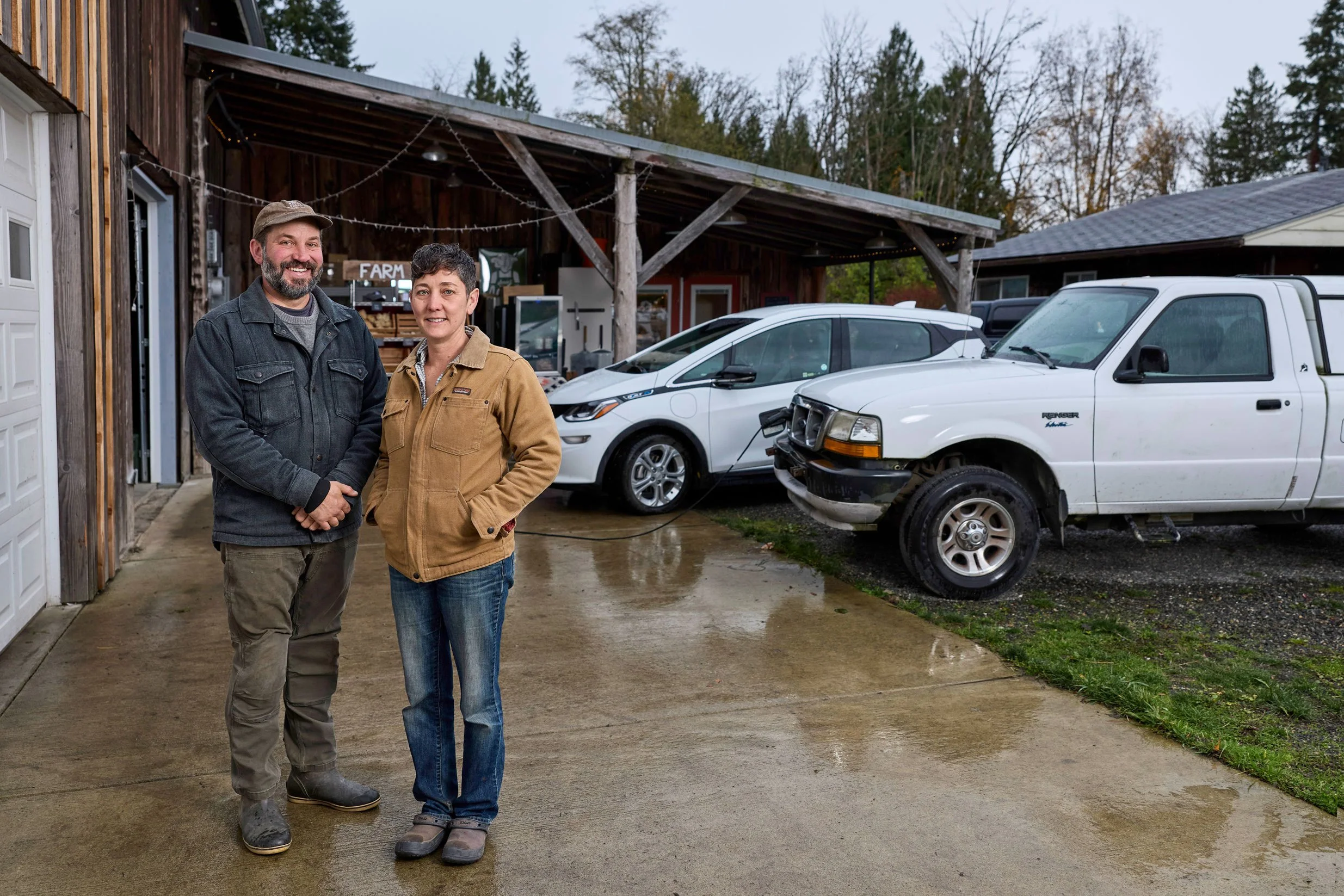
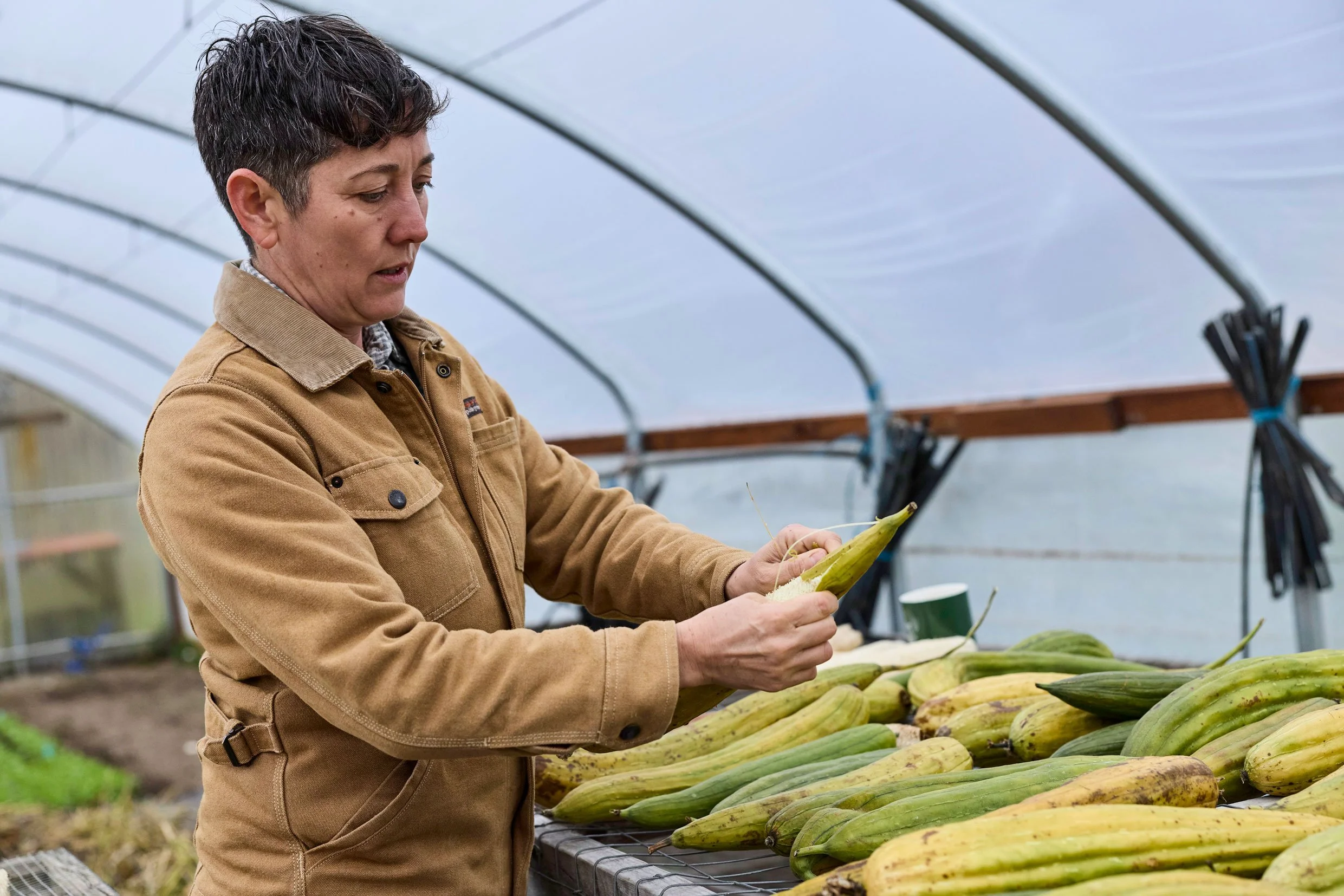
Small Acres Farm is a vibrant 5-acre certified organic operation bursting with over 50 types of fruits and vegetables, a flock of laying hens, and a thriving stand of luffa vines (the source of loofah scrubbing sponges). The farm is located near Nugents Corner, Washington, and at the center of it all are co-owners Mia Devine and Chris Henderson, mechanical engineers turned farmers.
Mia is the farm’s part-time bookkeeper and administrator – but when she’s not organizing paperwork or paying bills, you’ll find her driving the tractor, weed-whacking blackberries, pruning luffa, or building something useful. Mia also works part-time as a renewable energy engineer with Spark Northwest, a nonprofit that helps rural small businesses and Native tribes deploy clean energy solutions.
Meanwhile, Chris is the farm manager and fixer of broken things. He uses his training in data collection and monitoring to install sensors and controls all over the farm, and to manage everything from irrigation networks and compost systems to the walk-in cooler. He also works part-time at a wind energy consulting firm.
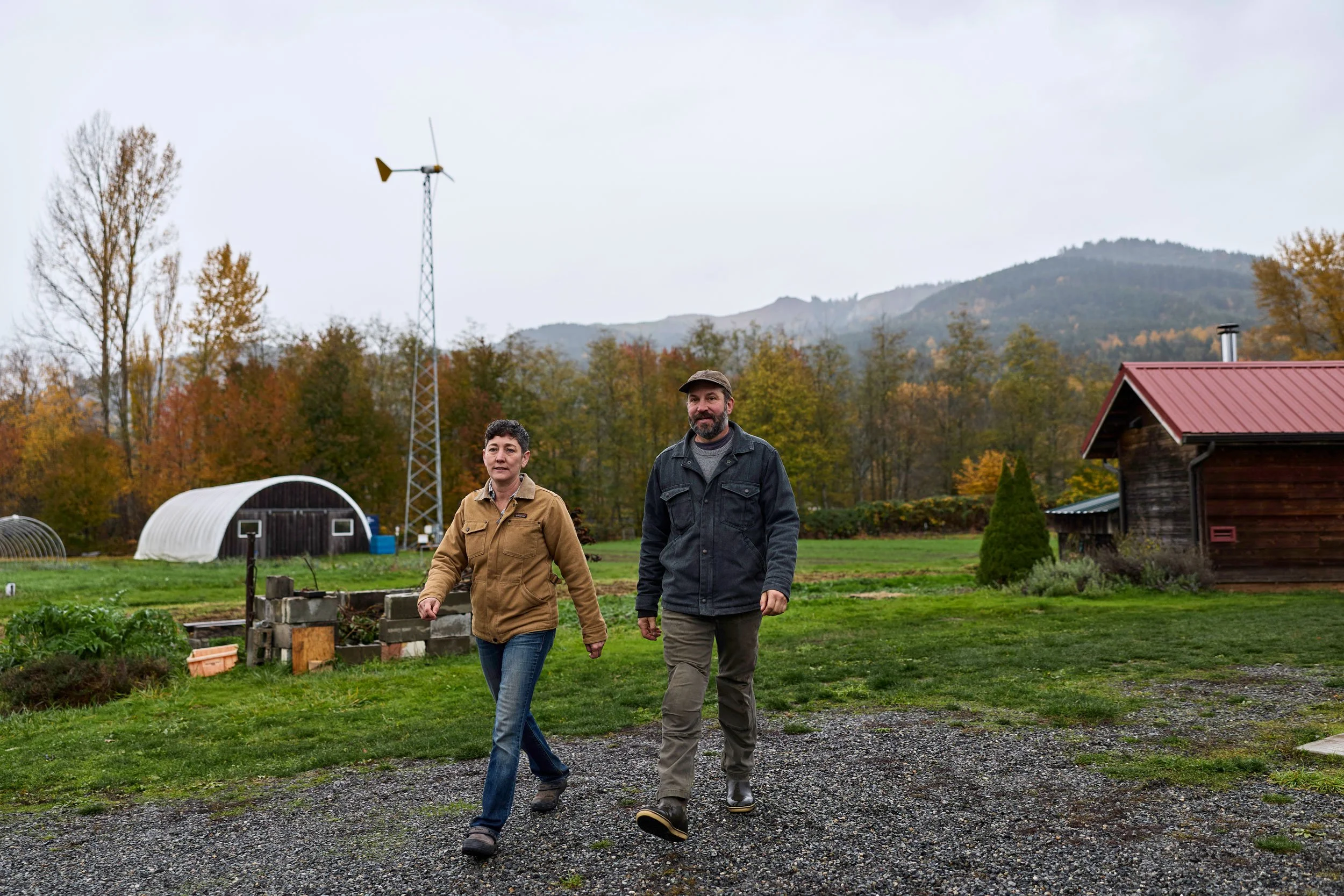
Small Acres Farm embraces a philosophy of radical efficiency and minimal environmental impact. It is powered almost entirely by renewable energy: a wind turbine, solar panels, electric tools, and biodiesel for the farm's tractors. The same lean, calculated mindset that shapes Chris and Mia’s farm extends to their transportation choices. Choosing an EV wasn’t about making a sustainability statement—it had to reflect common sense. Rural life in Whatcom County means errands are rarely quick trips; they’re 15-40 mile trips that lead to fuel costs that quietly devour a farm’s budget. So buying an EV had to result in clear wins on energy efficiency, operating costs, and reduced maintenance.
Rural EV Realities
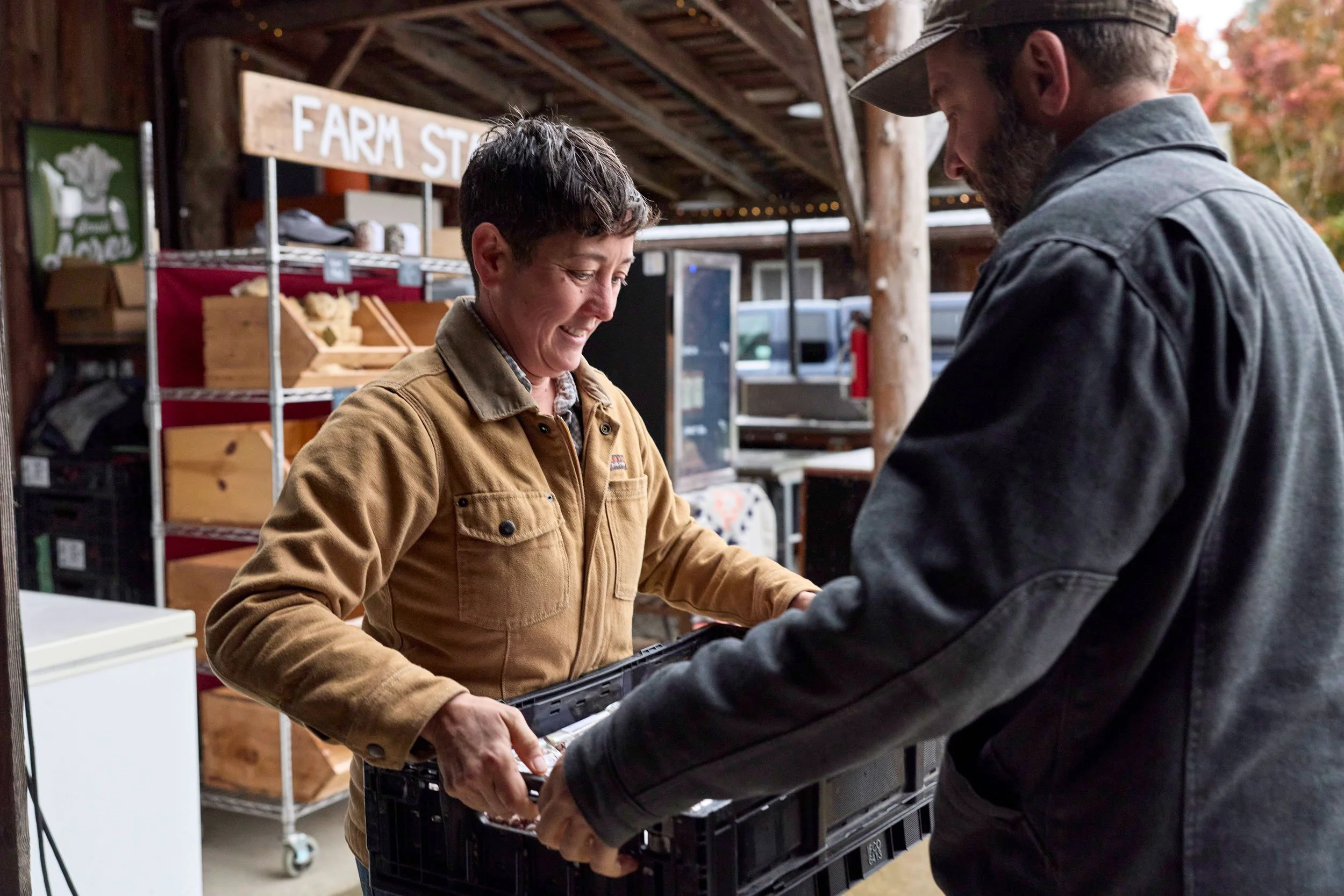
Of course, rural driving brings its own challenges: gravel roads, heavy loads of winter squash or Community Supported Agriculture (“veggie share”) boxes, and the need to plan around range limitations. Mia and Chris approached their transition to EVs practically, weighing upfront costs against long-term fuel savings. Frugal by nature, they’ve never bought a new EV.
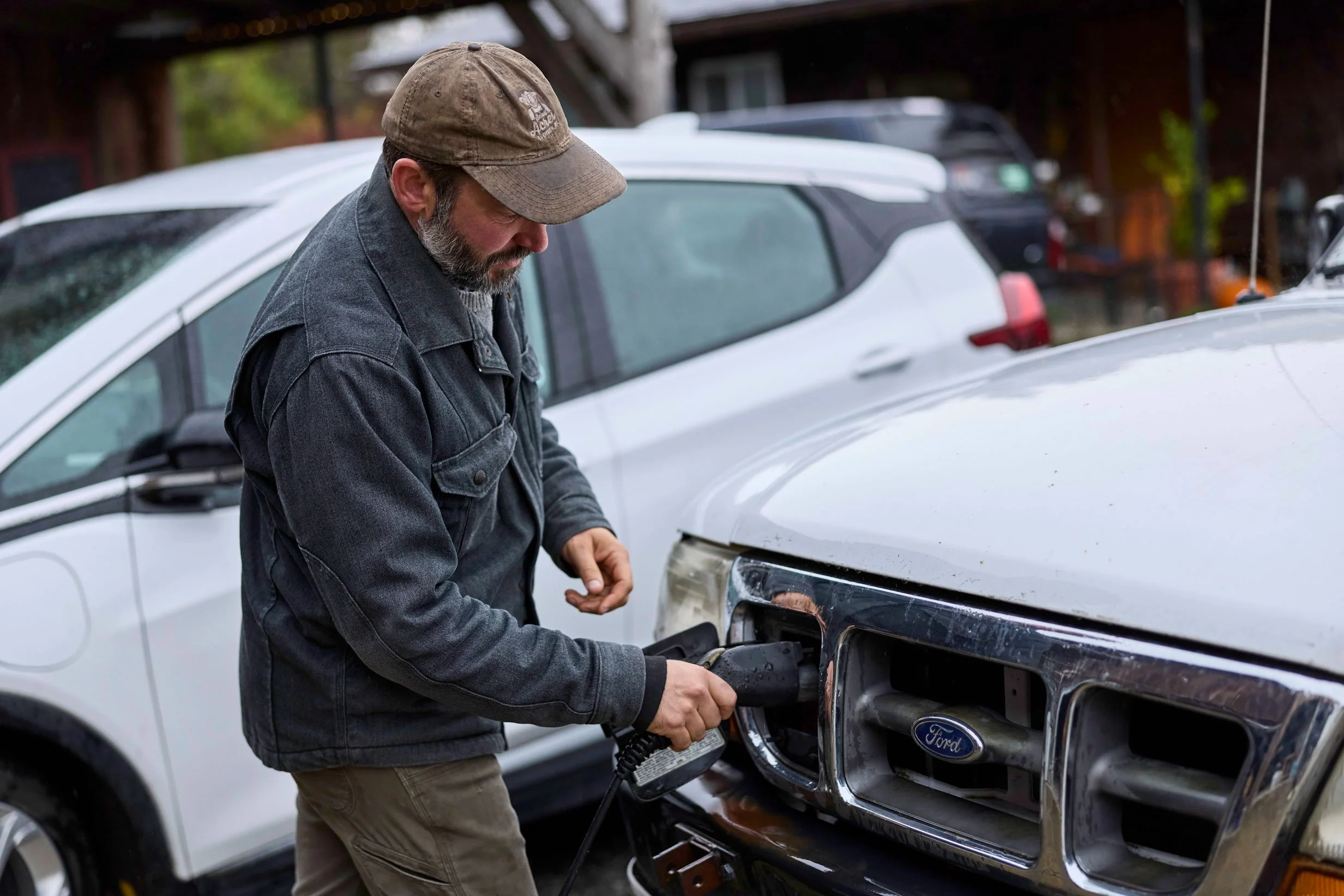
The farm’s first electric vehicle was a 2000-era electric Ford Ranger that had been revived by a shop in Eugene, Oregon. With only about 70 miles of range and two seats, it’s perfect for the 40-mile round trip to Bellingham to make deliveries and buy farm supplies. A couple of years ago, they added a practical, second-hand 250-mile range Chevy Bolt. “We got a really good deal on a car that had been recalled for a battery problem and refurbished so it was a great deal,” Mia says, “and we were able to take advantage of the tax credits too.” They usually charge both of their EVs right on the farm, and sometimes charge the Bolt at public chargers during longer road trips.
Crunching the Numbers
Looking at the raw data, the financial benefits of their vehicle choices become clear. A gas-powered 2000 Ford Ranger gets an EPA-estimated 22 MPG, and at regional gas prices averaging $5.00 a gallon, driving a traditional Ranger would cost roughly 22.7 cents per mile. By contrast, their electric Ranger runs on home solar at essentially zero cost, so each weekly 40-mile delivery run to Bellingham saves them about $9 in fuel.
The metrics look even better for the Bolt. A comparable internal combustion subcompact hatchback typically averages around 33 MPG, for a fuel cost of roughly 15.2 cents per mile, whereas their Bolt, even if they have to charge it on Puget Sound Energy’s standard residential rate of 15 cents per kWh, costs only about 4.4 cents per mile—a 71% reduction in energy costs. Across 12,000 annual miles of family trips and farm errands, the Bolt saves them over $1,300 a year in fuel compared to a traditional subcompact, and at 50 trips to town a year, the Ranger saves them another $450 a year, for combined annual savings approaching $1,800.
Math That Matters
Mia appreciates rural-focused pro-EV messaging that emphasizes hard numbers, real-world savings, and practical used-EV options. “A lot of rural people are frugal and independent-minded,” she notes. “Not everyone agrees on climate politics, but nobody likes paying $5 a gallon for gas, and who doesn’t like saving money?”
Whether they’re taking a road trip to Seattle in the Bolt or loading up the Ranger with produce for a Bellingham delivery, Mia and Chris show that EVs—especially used ones—make sense on the farm and in rural life. All it really takes is doing the math.